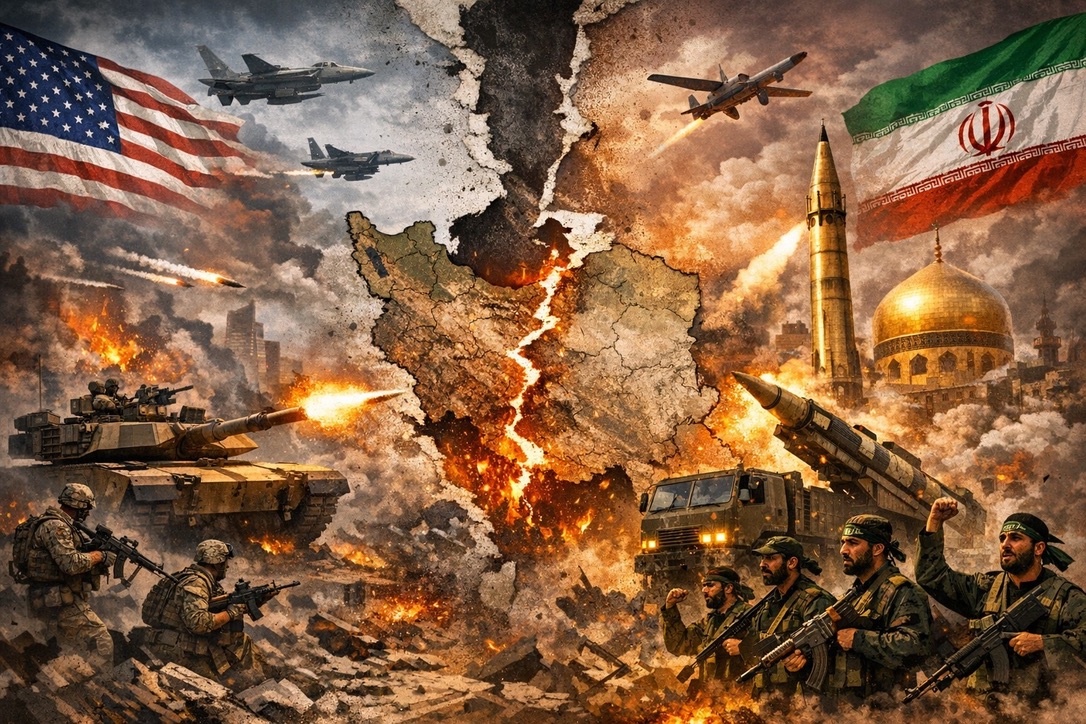
A Political System
Islam is not merely a private faith like Zoroastrianism, Hinduism in its later phases, post-Reformation Christianity, or atheism. It is a complete socio-political order — a total system — with built-in mechanisms of supremacy, enforcement, and resistance to secularization. At its core stands an unchanging Quran, regarded by orthodox believers as the literal, eternal word of Allah, supplemented by the Sunnah and centuries of classical jurisprudence (fiqh) that crystallized doctrines such as jihad, dhimmi status, jizya, and the death penalty for apostasy.
A Lack of Tolerance – Political Subjugation
Defenders often cite Quran 2:256 (“There is no compulsion in religion”) as evidence of tolerance. Yet this must be read in light of Quran 9:29, which commands fighting the People of the Book until they pay the jizya “willingly while they are humbled” (ṣāghirūn). Classical tafsirs* (al-Tabari, Ibn Kathir, al-Qurtubi) and the four Sunni schools of law understood this as authorizing political subjugation and ongoing dominance, not mere defensive taxation.
Apostasy
The same human enforcement applies to apostasy. The Quran does not explicitly prescribe worldly punishment for leaving Islam, but the Ridda Wars under Abu Bakr established the precedent, and authoritative hadith (“Whoever changes his religion, kill him”) became orthodox consensus across Sunni jurisprudence. Blasphemy laws (common in Pakistan) and restrictions on criticism (Islamophobia) flow from the same logic: preserving the supremacy and cohesion of the Islamic polity.
When Muslims Are In Power
History shows that when Islamic movements gain power — whether under the early Caliphs, the Ottomans, the Mughals, or modern jihadist groups — these doctrinal patterns tend to reassert themselves:
- conquest or pressure leading to conversion or subordination,
- destruction of competing religious symbols, and
- enforcement through political authority.
Periods of relative tolerance (such as the millet** system or Abbasid cosmopolitanism) were pragmatic accommodations when expansion slowed or power required stability, not fundamental reforms of the texts or core tenets. Modernist efforts — from 19th-century figures like Muhammad Abduh to contemporary reformers — have attempted reinterpretation, emphasizing context or ethics over literal commands. Yet these remain marginal, often contested, and frequently reversed when literalist currents regain strength.
True Reform
True reform would require altering or sidelining fixed Quranic verses and the classical scholarly consensus built upon them — an undertaking that orthodox believers view as impossible or heretical.
Unchanging Nature of Islam
This unchanging nature explains Islam’s historical trajectory:
- rapid military expansion,
- demographic transformation of conquered lands,
- recurring violence against non-Muslims in resisted areas, and
- the persistence of supremacist attitudes taught in many mosques and madrasas.
- Apostasy laws deter exit;
- jizya and dhimmi rules enforce hierarchy;
- jihad doctrines justify expansion wherever opportunity arises.
Groups like Hamas, Hezbollah, and the Houthis, proxies of Iran’s Islamic Republic, operate within this framework, as do blasphemy mobs in Pakistan or insurgents in Nigeria and beyond. Iran itself is an example, as well as Afghanistan under the Taliban.
Islam’s Default Setting – Control and Dominance
The majority of individual Muslims may desire peace and normal lives. Yet leadership, doctrinal gatekeepers, and mobilized minorities can steer the system toward its default settings of control and dominance. Where Muslims form majorities or gain significant influence without strong countervailing secular institutions, the historical pattern reemerges.
No to Modernization
Islam will not modernize itself in the way Christianity did after the Reformation or Enlightenment, because its foundational text and early political model resist separation of religion and state. It remains a powerful ideology of conquest and subjugation wrapped in religious language — one that destroys competing civilizations when it advances unchecked. Recognizing this reality is not “Islamophobia”; it is pattern recognition drawn from 1,400 years of history. The world ignores it at its peril.
*Tafsir: A commentary on the Quran, often by an Islamic scholar.
** Millet system: religious community – self-governed, under its own laws, headed by a religious leader.
 Wake Up! Wake Up!