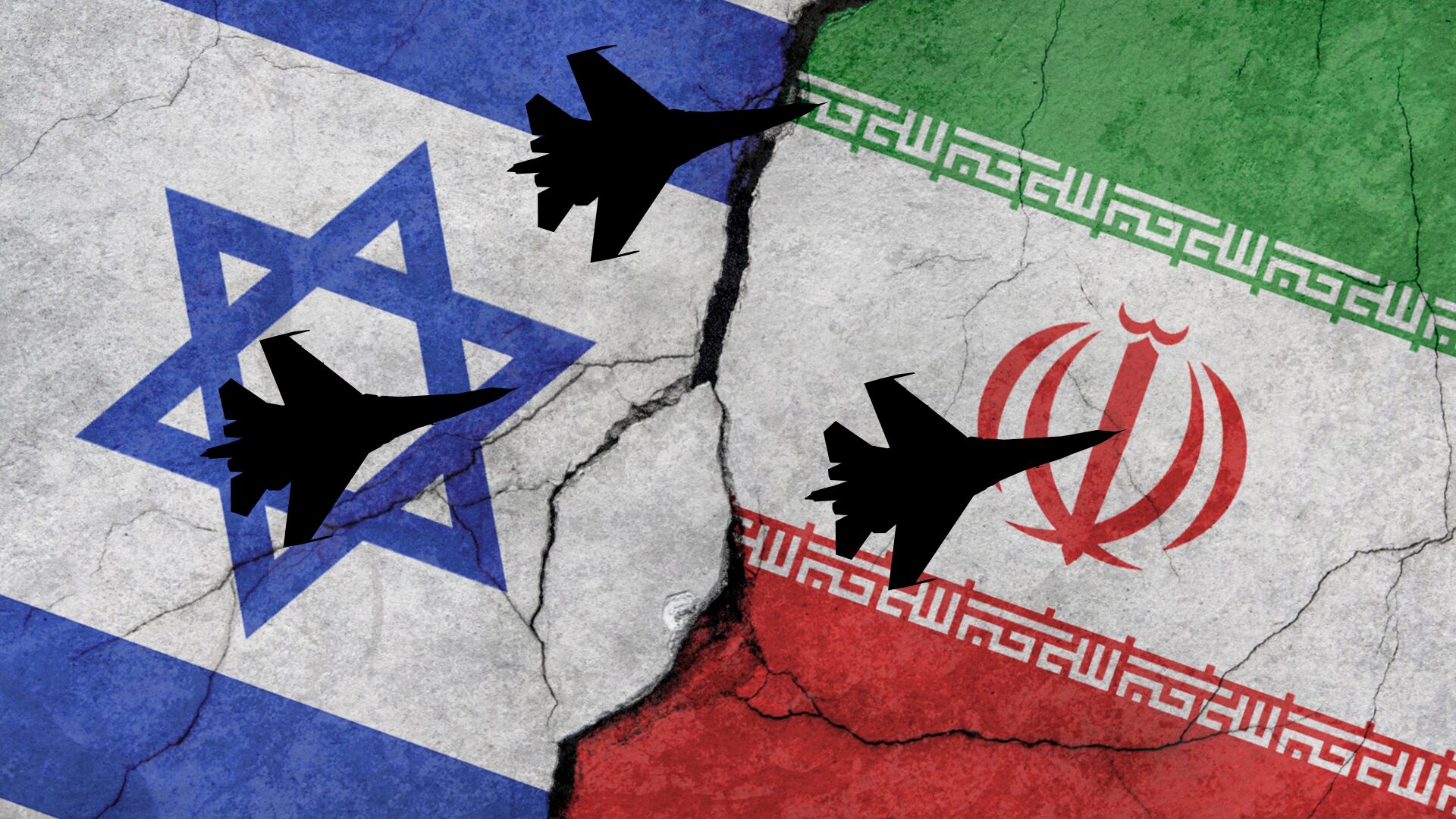
The Just War Against the Islamic Republic of Iran
Justified
The war with Iran in 2026 is a justified war of self-defense and preemption. From the moment of the 1979 Islamic Revolution, when Ayatollah Khomeini seized power, the foundations were laid for a theocratic terrorist state. Under the Shia banner of revolutionary Islam, the regime built the Islamic Revolutionary Guard Corps (IRGC), its internal enforcers in the Basij militia, and the Quds Force as its global arm of terrorism and subversion.
For 47 years, Iran has been a relentless irritant—and increasingly an existential threat—to its neighbors and especially to Israel. It has surrounded the Jewish state with proxies—the “three H’s”: the Houthis, Hamas, and Hezbollah—explicitly dedicated to Israel’s destruction. Its leaders have chanted “Death to America” and “Death to Israel” daily, branding the United States the “Great Satan” and Israel the “Little Satan.” Recent years revealed the extent of Iran’s aggression against Sunni neighbors and even Turkey, while Iraq’s large Shia population has largely shielded it from direct targeting so far.
Iran’s nuclear ambitions loom largest. A regime steeped in the ideology of martyrdom and the superiority of death in Allah’s cause cannot be trusted with weapons that could annihilate entire cities.
Quelled Resistance and Domestic Tyranny
Inside Iran, the regime systematically stripped its own people of any means of self-defense. Private gun ownership is virtually nonexistent, and protests are met with lethal force. Basij motorcycle squads patrol streets to enforce hijab compliance and suppress dissent. In the major uprising of early 2026, security forces—including the IRGC and Basij—killed thousands of protesters (with credible reports ranging from several thousand to far higher, over 30,000, according to human rights groups and UN sources). Billions in oil revenue and sanctions relief have flowed to the regime, yet ordinary Iranians face empty shelves, poverty, and repression. Only the clerical-military elite lives well. President George W. Bush was prescient in labeling Iran part of the “Axis of Evil.”
The Necessity of Preemption
Had the United States and Israel waited for Iran to strike first, the devastation could have been catastrophic. The coordinated campaign—Operation Epic Fury (U.S.) and Operation Roaring Lion (Israel), launched February 28, 2026—struck with precision. Iranian missile and drone capabilities, air defenses, nuclear-related sites, and command structures were heavily degraded from the outset. Yet the regime continues desperate launches even as its territory is pocked with destroyed launchers and facilities. Preemption was not aggression; it was survival.
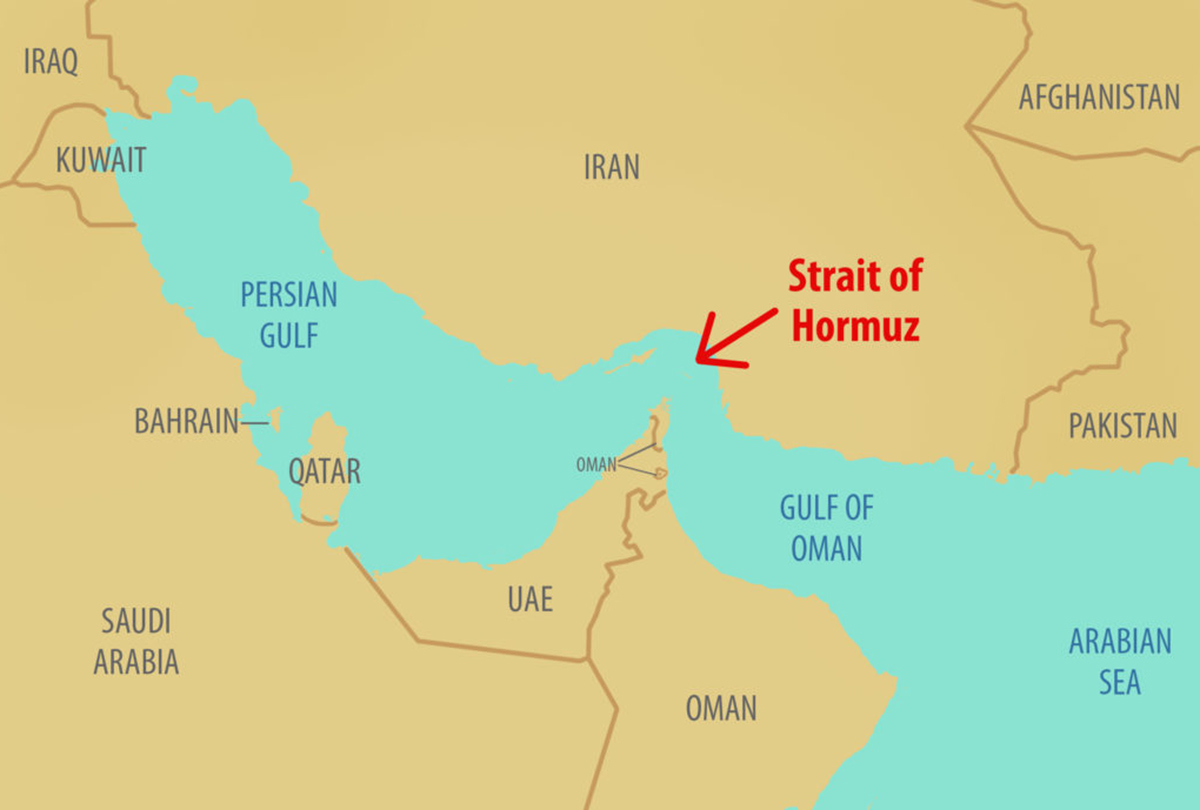
The Strait of Hormuz: Piracy on a Global Scale
Iran’s repeated threats to the Strait of Hormuz expose its bully tactics and contempt for international norms. This narrow chokepoint—critical for global oil, fertilizer, and trade—is not Iran’s private canal. Using speedboats, mines, drones, and islands as bases, Tehran has sought to hold the world economy hostage. As of late March 2026, Iranian actions have sharply reduced maritime traffic, with attacks on merchant vessels and declarations restricting passage to U.S., Israeli, and allied ships.
The United States and Israel bear disproportionate burden in keeping this waterway open, despite receiving relatively little oil from the Gulf. Failure to secure it risks not only energy shocks but potential global food crises if fertilizer shipments are disrupted during planting seasons. Iran has shown it cares little for the suffering of non-believers—or even Muslims who oppose its rule. This is piracy dressed in religious rhetoric.
The Martyrdom Mindset: Loving Death Over Life
At the heart of the conflict lies a profound civilizational clash. The Islamic Republic’s leadership embraces a theology that elevates martyrdom above ordinary life. The Quran contains verses that portray those killed “in the cause of Allah” as alive with their Lord, not truly dead (Quran 2:154). Another frames believers as having “sold” their lives and wealth to God in exchange for Paradise, explicitly through fighting and being killed (Quran 9:111). Martyrdom is presented as honorable, desirable, and rewarded far beyond a natural death.
This is not fringe interpretation in the regime’s madrasas and mosques. It fuels a willingness to fight to the last, seek “righteous death,” and reject compromise—even in the face of overwhelming military superiority. Israel and the United States, rooted in Judeo-Christian and secular traditions that affirm the sanctity of life in this world, face an opponent that romanticizes sacrificial death. Regime loyalists will not easily lay down arms; they pursue paradise through jihad. True regime change requires not just military victory but addressing this ideological core—potentially by empowering secular, freedom-loving Iranians who reject theocracy.
Historical precedent exists: Before Khomeini, Grand Ayatollah Borujerdi advocated separating religion from state during the Pahlavi monarchy. Khomeini overturned that, exiling himself while building support against the Shah. A post-regime Iran could return to that healthier model: secular governance accepting all faiths, with religion and politics distinct.
Clear Objectives and the Path Forward
President Trump’s initial focus in Operation Epic Fury was preventing Iran from ever acquiring nuclear weapons or long-range delivery systems capable of threatening the free world, while degrading its missile and drone programs. Israel’s Operation Roaring Lion shares these goals but places even greater emphasis on ending the existential threat from the regime and its proxies. As the campaign enters its fifth week, with over 10,000 targets struck, the opening of the Strait of Hormuz has become urgent.
Full success may require helping the Iranian people themselves finish the job. The population lacks weapons for self-defense and reliable information due to internet blackouts and propaganda. Dropping leaflets or enabling uncensored communications could inform them of the regime’s weakening and encourage uprising. Arming a “silent militia” of freedom-seeking Iranians—as the U.S. Constitution protects the right to bear arms against tyranny—could be decisive.
A Religious War
This is, in large measure, a religious war—from Iran’s side. Its leaders see it as cosmic struggle for Allah’s victory. The West fights for freedom, security, and the preservation of life. We must not delude ourselves that Islam is inherently peaceful or that “no compulsion in religion” describes the reality of Sharia-based governance. Iran demonstrates what happens when Quranic and Sunnah dictates fuse with state power.
The Objective
The objective should be unambiguous: dismantle the nuclear threat, neutralize the missile and proxy apparatus, secure global waterways, and create conditions for genuine regime change toward a secular, non-theocratic Iran. Giving the zealots the “martyrdom” they crave on the battlefield may be unavoidable for hardliners, but the broader goal is liberating 90+ million Iranians from a death cult that threatens the world.
The truth of this conflict—rooted in ideology, not mere geopolitics—must be faced squarely. Only then can the scales fall from the eyes of those who still insist Islam poses no civilizational challenge. Victory here will not only secure Israel and the region; it will defend the very idea of separating mosque and state, preserving liberty for all.
By Thomas W. Balderston
Author and Blogger
Note: Reviewed using Grok.
 Wake Up! Wake Up!